Last Updated: August 27, 2024
Malasakit Assistance is a ray of hope in the Philippines’ healthcare support scene. It focuses on financial aid for those in need. The Department of Social Welfare and Development (DSWD) runs it, showing the government’s drive to make healthcare more accessible for all. Malasakit Centers bring together various aid services in hospitals, making it easier for people to get medical and financial help.
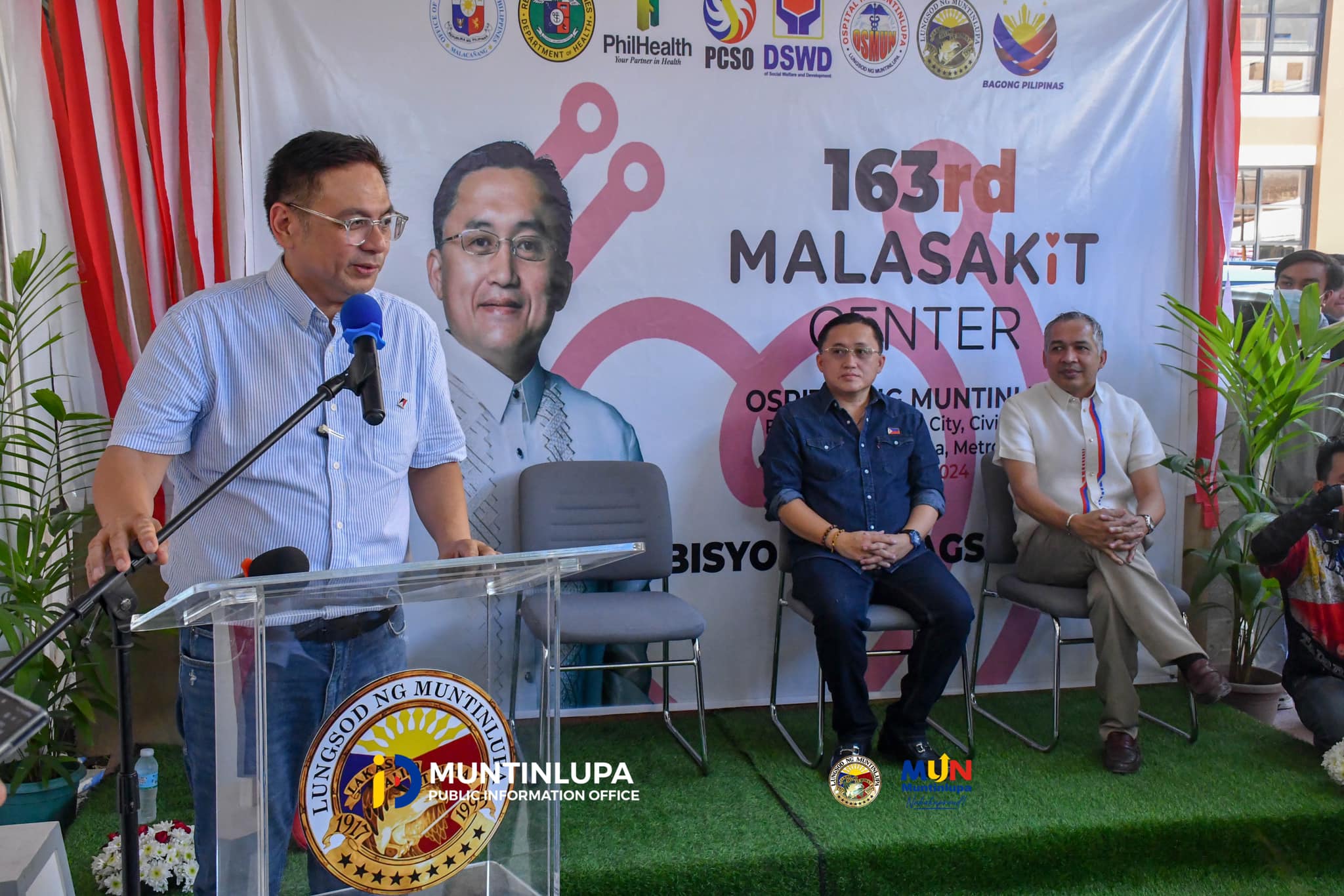
The program has set up 163 centers across the Philippines as of November 2022. These centers have been key in providing timely aid. They offer a simplified process for those in need, ensuring that assistance is readily available without needing to leave the hospital.
Key Takeaways
- Malasakit Centers offer one-stop solutions involving key agencies like PhilHealth and DSWD.
- The program aims to provide medical and financial aid to indigent and financially incapacitated Filipinos.
- 166 Malasakit Centers have been established across the Philippines as of July, 2024.
- The centers streamline the process of accessing financial support without leaving hospital premises.
- Patients need a Malasakit Unified Form, hospital bills, and a medical abstract for assistance.
What is Malasakit Assistance?
Malasakit Assistance is a financial aid program and medical assistance initiative. It helps Filipinos with their healthcare costs. This program brings together various support services, simplifying the process for those in need.
Overview of the Program
Launched in 2018 by Bong Go and made official in 2019, this program changes healthcare access in the Philippines. There are now 163 Malasakit Centers (2024). They’re spread with more than 50% in Luzon, 22% in the Visayas, and 28% in Mindanao.
These centers are one-stop shops – offering a single form for patients. This lets them get help from various government services without leaving the hospital.
Benefits for Indigent Filipinos
Over two million Filipinos have used the Malasakit Centers. They’ve received financial aid and medical assistance to lower their hospital bills. The program mainly helps the poor in public hospitals. Yet, all family members can seek assistance, even if another member has before.
This way, those with the least can get the help they need urgently.
Key Agencies Involved
Malasakit Centers work with four main government agencies:
- Department of Health (DOH)
- Department of Social Welfare and Development (DSWD)
- PhilHealth
- Philippine Charity Sweepstakes Office (PCSO)
These agencies join forces to provide medical assistance and financial aid services. This helps reduce the difficulties indigent Filipinos faced before when they needed support.
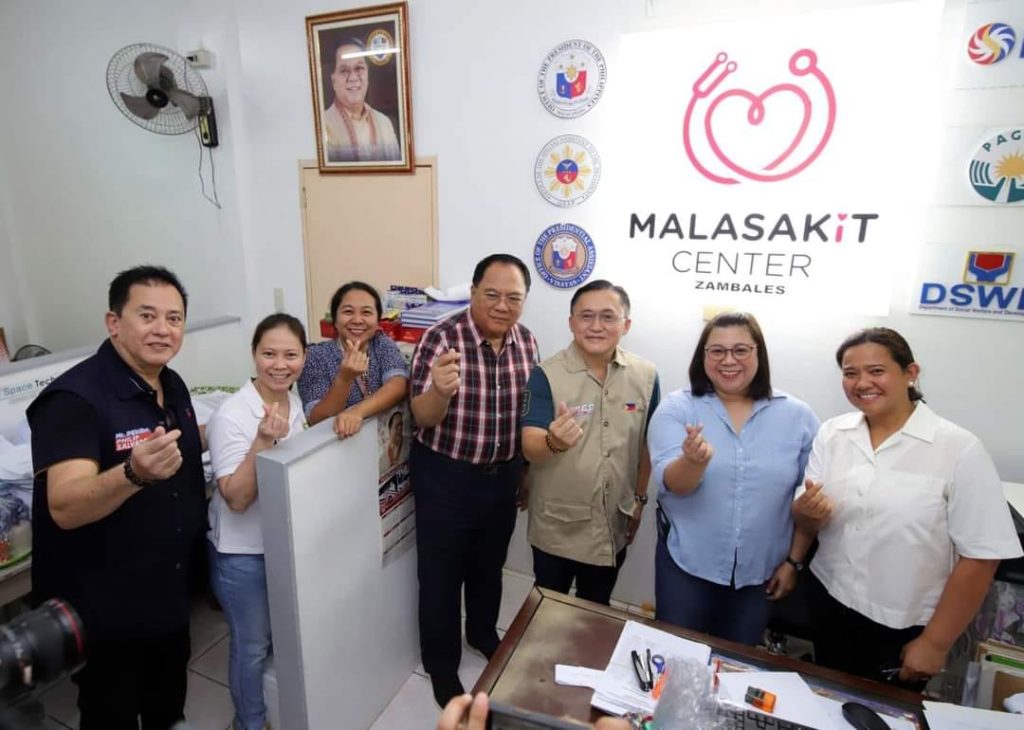
Malasakit Assistance Initiated by Duterte and Bong Go
President Rodrigo Duterte and Senator Christopher Bong Go started the Malasakit program. The first Malasakit Center opened in February 2018. When President Duterte signed the Malasakit Center Act on December 3, 2019, it marked a crucial step. Now, every government hospital in the Philippines has these centers.
Before these centers, getting medical help was hard for the poor. They had to visit many government offices, which took a lot of time and added stress.
Now, thanks to the Malasakit program, getting aid is easier. People can easily get help from several agencies like the Department of Health and PhilHealth. This change has made healthcare more affordable and accessible for Filipinos.
By July 2024, the Philippines will have 166 Malasakit Centers. This means more Filipinos can get the healthcare they need, even in remote areas.
Here is the regional distribution in its May 2024 publication:
| Region | Number of Malasakit Centers |
|---|---|
| Luzon | 92 |
| Visayas | 30 |
| Mindanao | 42 |
President Duterte and Senator Bong Go are working hard to make healthcare better for everyone. More than seven million Filipinos have already benefitted from these centers. This shows their dedication.
But there’s more to be done. Plans to fund over 600 Super Health Centers in the next two years show their commitment. This is how they’re improving healthcare across the country.
Benefits of Malasakit Centers
Malasakit Centers have made it easier for many Filipinos to get healthcare support. Since starting in February 2018, over seven million Filipinos have used their services. These centers make it simpler and quicker to get the help people need.
1. Streamlined Process
Malasakit Centers aim to make it easier for patients to get medical and financial help. They focus on the patients, cutting out unnecessary steps. This means getting assistance is straightforward.
They help people deal more effectively with government services from the DSWD, DOH, PhilHealth, and PCSO. This coordination means faster, more coordinated help.
2. Financial and Medical Support
The Malasakit Centers have helped over 7.48 million patients, using a budget of P50.8 billion. Just in 2022, they provided P14.6 billion in aid to over 1.4 million patients. These centers help make healthcare affordable for those who need it most.
There are plans to create more Super Health Centers to improve access in rural areas. These will offer oncology, physical therapy, and telemedicine services. This effort is part of Senator Bong Go’s work to strengthen healthcare in the Philippines.
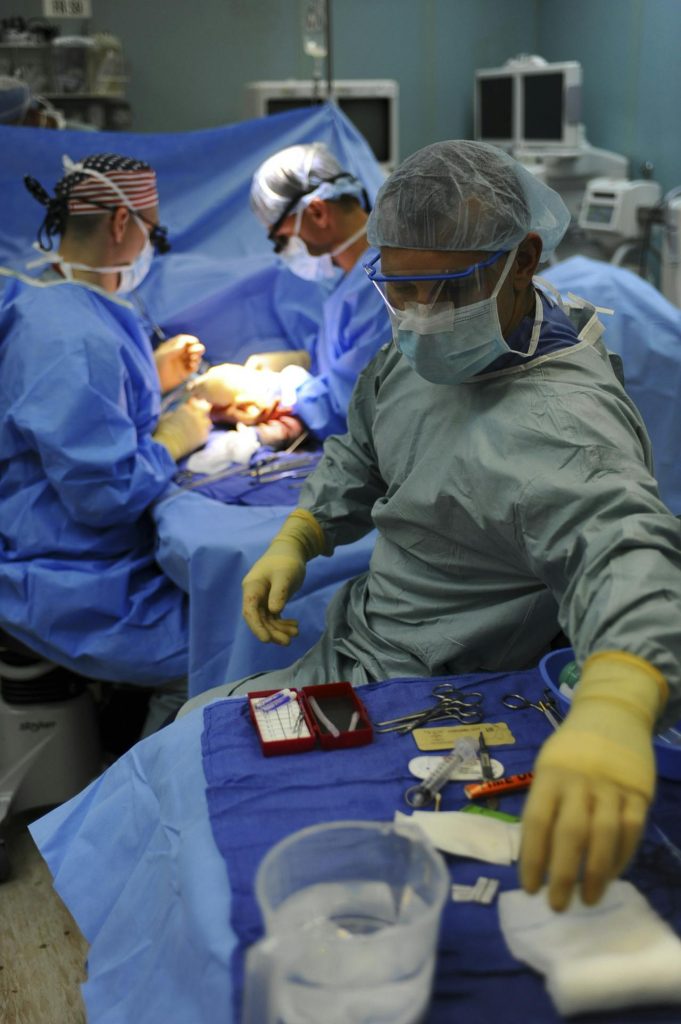
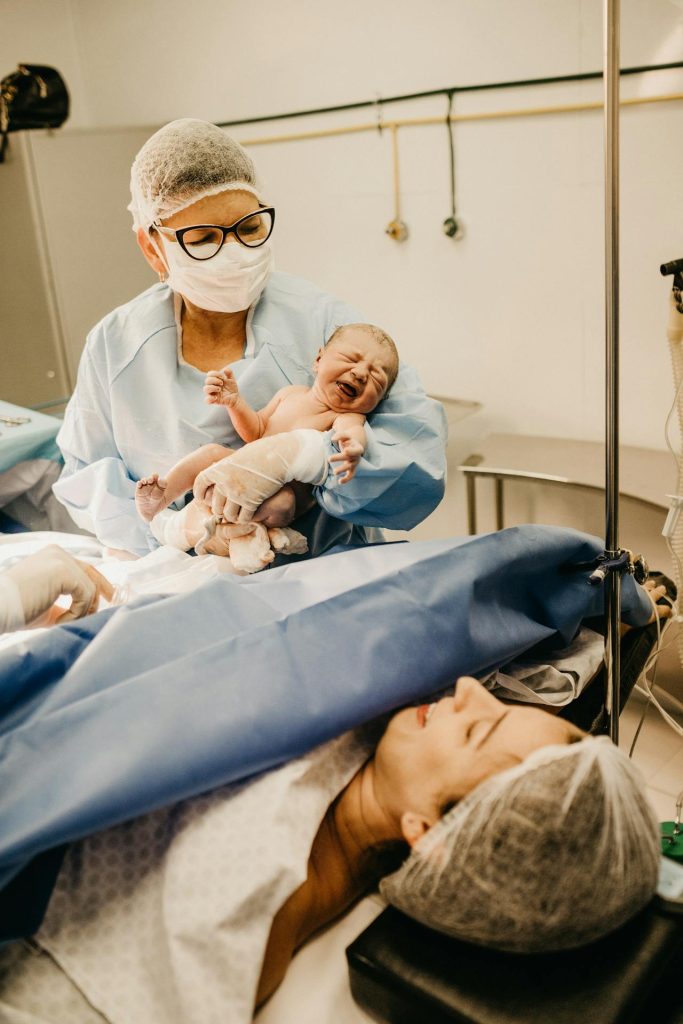
Eligibility Criteria for Malasakit Assistance
The Malasakit Assistance Program helps Filipinos who struggle to pay for healthcare. It offers government help to those in need, ensuring they can get important medical care.
1. Indigent and/or Financially Incapable Patients
Those who can get Malasakit Assistance are seen as indigent or financially challenged. Social welfare checks these patients’ income and family needs, focusing aid on the most needy. Financially challenged patients must show they can’t afford medical bills. These rules help make sure the aid reaches those who truly need it, giving them critical support.
2. Partner Hospitals
You must register at a designated partner hospital to get Malasakit Assistance. Key hospitals in the program include the Philippine Heart Center and Lung Center of the Philippines. Also, the National Kidney and Transplant Institute and the Philippine Children’s Medical Center are part of it. These hospitals connect patients to the help they need, making healthcare easier to get.
[Updated] Here is a list of Malasakit Center partner hospitals in each region:
| Region | Hospital Name | Address |
| Region I | Gov. Roque Ablan Sr. Memorial Hospital | P. Gomez, Laoag City, Ilocos Norte |
| Region I | Mariano Marcos Memorial Medical Center | 6 National Highway, Ilocos Norte, City Of Batac |
| Region I | Ilocos Sur Provincial Hospital | Quirino Boulevard, Ilocos Sur, City Of Vigan |
| Region I | Ilocos Training and Regional Medical Center | Quezon Avenue, La Union, City Of San Fernando |
| Region I | Region 1 Medical Center | Arellano Street, Pangasinan, Dagupan City |
| Region II | Batanes General Hospital | National Road, Basco, Batanes |
| Region II | Cagayan Valley Medical Center | Maharlika Highway, Cagayan, Tuguegarao City |
| Region II | Gov. Faustino N. Dy, Sr. Memorial Hospital | Calamagui 2Nd, Ilagan, Isabela |
| Region II | Southern Isabela Medical Center | Zamora Street Corner Recto Avenue, Isabela |
| Region II | Quirino Provincial Medical Center | Provincial Road, Quirino, Cabarroguis |
| Region II | Region II Trauma Medical Center | National Highway, Nueva Vizcaya, Bayombong |
| Region III | Aurora Memorial Hospital | San Luis Street, Aurora, Baler |
| Region III | Talavera General Hospital | Pan-Philippine Hwy, Nueva Ecija, Talavera |
| Region III | Dr. Paulino J. Garcia Memorial Research and Medical Center | Mabini Street, Nueva Ecija, Cabanatuan City |
| Region III | Eduardo L. Joson Memorial Hospital | Maharlika Highway, Nueva Ecija, Cabanatuan City |
| Region III | Tarlac Provincial Hospital | Hospital Drive, Tarlac, City Of Tarlac |
| Region III | President Ramon Magsaysay Memorial Hospital | Zambales-Pangasinan Road, Iba |
| Region III | Rafael Lazatin Memorial Medical Center | Villa Rosario, Pampanga, Angeles City |
| Region III | Jose B. Lingad Memorial Regional Hospital | MacArthur Hwy, San Fernando |
| Region III | Bulacan Medical Center | Potenciano Street, Malolos |
| Region III | Rogaciano M. Mercado Memorial Hospital | De Jesus Street, Bulacan, Santa Maria |
| Region III | Bataan General Hospital | Manahan Street, Bataan, City Of Balanga |
| Region III | Mariveles Mental Wellness and General Hospital | P. Monroe Street, Bataan, Mariveles |
| Region IV-A | Casimiro A. Ynares Sr. Memorial Hospital | Becco Street, Rodriguez |
| Region IV-A | Antipolo City Hospital System ANNEX IV | Sumulong Hwy, Antipolo |
| Region IV-A | Cainta Municipal Hospital | Cainta Municipal Compound, Cainta |
| Region IV-A | Margarito A. Duavit Memorial Hospital | Manila East Road, Binangonan |
| Region IV-A | Southern Tagalog Regional Hospital | Reyville Subdivision, Bacoor City |
| Region IV-A | Gen. Emilio Aguinaldo Memorial Hospital | Trece Martires – Indang Rd, Trece Martires City |
| Region IV-A | Laguna Medical Center | Jose De Leon Street, Santa Cruz |
| Region IV-A | San Pablo City General Hospital | Banagale Subdivision, San Pablo City |
| Region IV-A | Quezon Medical Center | Quezon Avenue, Lucena City |
| Region IV-A | Batangas Provincial Hospital | Bihi Road, Kumintang Ibaba, Batangas |
| Region IV-A | Batangas Medical Center | Bihi Road, Kumintang Ibaba, Batangas City |
| Region IV-B | Marinduque Provincial Hospital | Boac, Marinduque, Boac |
| Region IV-B | Romblon Provincial Hospital | M.L. Quezon Street, Romblon, Odiongan |
| Region IV-B | Oriental Mindoro Provincial Hospital | C5 Road, Oriental Mindoro, City Of Calapan |
| Region IV-B | Occidental Mindoro Provincial Hospital | PHO Compound, Occidental Mindoro, Mamburao |
| Region IV-B | Culion Sanitarium and General Hospital | Culion, Palawan, Culion |
| Region IV-B | Ospital Ng Palawan | 220 Malvar Street, Palawan, Puerto Princesa City |
| Region IV-B | Southern Palawan Provincial Hospital | Pangobilian, Brooke’s Point |
| Region V | Camarines Norte Provincial Hospital | Bagasbas Road, Camarines Norte, Daet |
| Region V | Bicol Region General Hospital and Geriatric Medical Center | Zone 1, Camarines Sur, Cabusao |
| Region V | Bicol Medical Center | Panganiban Street, Camarines Sur, Naga City |
| Region V | Bicol Regional Training & Teaching Hospital | Rizal Street, Albay, Legazpi City |
| Region V | Eastern Bicol Medical Center | San Isidro Village, Virac |
| Region V | Dr. Fernando B. Duran Sr. Memorial Hospital | Sorsogon Diversion Road, Sorsogon |
| Region V | Masbate Provincial Hospital | PHO Road, Masbate, City Of Masbate |
| Region VI | Dr. Rafael S. Tumbokon Memorial Hospital | Mabini Street, Aklan, Kalibo |
| Region VI | Roxas Memorial Provincial Hospital | Arnaldo Boulevard, Capiz, Roxas City |
| Region VI | Angel Salazar Memorial General Hospital | T.A Fornier Street, Antique, San Jose |
| Region VI | Don Jose Monfort Medical Center Extension Hospital | Zarraga Road, Barotac Nuevo |
| Region VI | Western Visayas Sanitarium | Oton – San Jose-Santa Barbara Rd, Santa Barbara |
| Region VI | Western Visayas Medical Center | Mandurriao, Iloilo City |
| Region VI | West Visayas State University Medical Center | E. Lopez Street, Iloilo City |
| Region VI | Dr. Catalino Gallego Nava Provincial Hospital | Guimaras Circumferential Rd, Jordan |
| Region VI | Corazon Locsin Montelibano Memorial Medical Center | Lacson-Burgos Street, Bacolod City |
| Region VII | Negros Oriental Provincial Hospital | North Road, National Highway, Dumaguete City |
| Region VII | Eversley Childs Sanitarium and General Hospital | North Road, Mandaue City |
| Region VII | Lapu Lapu City Hospital | A. Tumulak Street, Lapu-lapu City |
| Region VII | Vicente Sotto Memorial Medical Center | B. Rodriguez Street, Cebu City |
| Region VII | St Anthony Mother and Child Hospital | Tagonol Street, Cebu City |
| Region VII | Cebu South Medical Center | San Isidro, Talisay |
| Region VII | Cebu Provincial Hospital | Baraca Street, Carcar |
| Region VII | New Western Leyte Provincial Hospital | Corner J.P. Laurel, Baybay |
| Region VII | Don Emilio del Valle Memorial Hospital | Ubay, Bohol |
| Region VII | Governor Celestino Gallares Memorial Hospital | Miguel Parras Street, Tagbilaran City |
| Region VII | Siquijor Provincial Hospital | Castin Street, Siquijor |
| Region VIII | Northern Samar Provincial Hospital | Balite Street, Catarman |
| Region VIII | Samar Provincial Hospital | Capitol Ground, City Of Catbalogan |
| Region VIII | Eastern Samar Provincial Hospital | Real Street, City Of Borongan |
| Region VIII | Biliran Provincial Hospital | Castin Street, Naval |
| Region VIII | Eastern Visayas Regional Medical Center | Magsaysay Blvd, Tacloban City |
| Region VIII | Leyte Provincial Hospital | Government Center, Palo |
| Region VIII | Schistosomiasis Control and Research Hospital | San Salvador, Palo |
| Region VIII | Ormoc District Hospital | Merida-Isabel Palompon Street, Ormoc City |
| Region VIII | Biliran Provincial Hospital | Castin Street, Naval |
| Region VIII | Salvacion Oppus Yniguez Memorial Provincial Hospital | Mantahan, Maasin City |
| Region IX | Jose Rizal Memorial Hospital | Lawa-An, Dapitan City |
| Region IX | Zamboanga Del Norte Medical Center | Dipolog – Oroquieta National Rd, Dipolog City |
| Region IX | Zamboanga Del Sur Provincial Hospital | Pagadian City |
| Region IX | Margosatubig Regional Hospital | Margosatubig, Zamboanga del Sur |
| Region IX | Zamboanga City Medical Center | Zamboanga City |
| Region IX | Labuan Public Hospital | Zamboanga City |
| Region IX | Mindanao Central Sanitarium | Pasobolong, Zamboanga City |
| Region X | Amai Pakpak Medical Center | Marawi City, Lanao del Sur |
| Region X | Northern Mindanao Medical Center | Cagayan de Oro City, Misamis Oriental |
| Region X | Mayor Hilarion A. Ramiro Sr. Medical Center | Ozamiz City, Misamis Occidental |
| Region X | Bukidnon Provincial Hospital | Malaybalay City, Bukidnon |
| Region X | Don Carlos District Hospital | Don Carlos, Bukidnon |
| Region XI | Davao Regional Medical Center | Tagum City, Davao del Norte |
| Region XI | Davao Regional Medical Center | Davao City, Davao del Sur |
| Region XI | Southern Philippines Medical Center | Davao City, Davao del Sur |
| Region XI | Davao Oriental Provincial Medical Center | Mati City, Davao Oriental |
| Region XII | Cotabato Regional and Medical Center | Cotabato City, Maguindanao |
| Region XII | Dr. Amado Diaz Provincial Foundation Hospital | Midsayap, Cotabato |
| Region XII | South Cotabato Provincial Hospital | Koronadal City, South Cotabato |
| Region XII | Sultan Kudarat Provincial Hospital | Isulan, Sultan Kudarat |
| Region XIII | Caraga Regional Hospital | Surigao City, Surigao del Norte |
| Region XIII | Butuan Medical Center | Butuan City, Agusan del Norte |
| Region XIII | Agusan del Sur Provincial Hospital | Patin-ay, Prosperidad, Agusan del Sur |
| Region XIII | Surigao del Sur Provincial Hospital | Tandag City, Surigao del Sur |
| CAR | Baguio General Hospital and Medical Center | Baguio City, Benguet |
| CAR | Conner District Hospital | Conner, Apayao |
| CAR | Far North Luzon General Hospital and Training Center | Luna, Apayao |
| CAR | Kalinga Provincial Hospital | Bulanao, Tabuk City, Kalinga |
| CAR | Luis Hora Memorial Regional Hospital | Bauko, Mountain Province |
| CAR | Benguet General Hospital | La Trinidad, Benguet |
| CAR | Abra Provincial Hospital | Calaba, Bangued, Abra |
| CAR | Ifugao General Hospital | Natu, Lagawe, Ifugao |
| CAR | Bontoc General Hospital | Bontoc, Mountain Province |
| BARMM | Amai Pakpak Medical Center | Marawi City, Lanao del Sur |
| BARMM | Basilan General Hospital | Isabela City, Basilan |
| BARMM | Datu Halun Sakilan Memorial Hospital | Bongao, Tawi-Tawi |
| BARMM | Maguindanao Provincial Hospital | Shariff Aguak, Maguindanao |
| BARMM | Sulu Provincial Hospital | Jolo, Sulu |
| BARMM | Tawi-Tawi Provincial Hospital | Bongao, Tawi-Tawi |
These partner hospitals offer full care, from medical help to financial aid. They work to make things easier for patients, combining all types of support.
Knowing the eligibility requirements helps patients use the support and services Malasakit Centers offer. This improves their access to healthcare and financial aid.

The Application Process for Malasakit Assistance
Applying for Malasakit Assistance means following a few key steps. First, understand what documents you need. Next, learn how to apply. Lastly, know how social workers can help you.
1. Required Documents
To start, you need to collect some important papers. Get the Malasakit Unified Form, your hospital bills, and a medical abstract. Having these ready is your first important step.
2. Social Worker Assistance
Social workers are key at the Malasakit Center. They check your documents and help you understand if you qualify. They also guide you through the types of help you can get.
This simplified process and the help from social workers make getting Malasakit assistance easier. It’s a big help for those who are struggling financially. They offer much-needed financial and medical support.
Steps to Apply for Malasakit Center Services
The Malasakit Center makes applying easy. Follow these steps:
- Visit the hospital’s billing section to get a bill assessment.
- Get a medical abstract from your doctor.
- Fill out the Malasakit Unified Form correctly.
- Hand in the form with your bills and medical abstract at the Malasakit Center.
- A social worker will check your eligibility for help.
Documents Needed to Apply for Malasakit Assistance
When you apply for Malasakit Assistance, you need several important documents. These are vital for getting *government aid services*. They ensure you get full support and quick approval.
1. Malasakit Unified Form
The Malasakit Unified Form is a key document. It puts all your personal and medical info in one place. This makes applying easier because you only submit one form instead of many.
2. Hospital Bills
It’s crucial to submit your hospital bills. They show all costs from medical treatments. These bills are used to understand how much money you need help with.
3. Medical Abstract
A medical abstract is very important. It shows your medical history, treatments, and current health. It helps doctors and social workers know what help you need most.
| Required Document | Description | Purpose |
|---|---|---|
| Malasakit Unified Form | Comprehensive form consolidating personal and medical data | Streamlines application process for *government aid services* |
| Hospital Bills | Detailed breakdown of medical expenses | Assessing financial burden for appropriate aid determination |
| Medical Abstract | Summary of medical history and treatment | Evaluates medical needs for prioritizing assistance |
Getting your documents ready makes the *application process* smoother. This helps you get *government aid services* quickly. It really helps those who need it most.

Types of Assistance Available at Malasakit Centers
Malasakit Centers offer a lot of help to Filipinos needing medical and financial support. They bring together different government services to make it easier for people. Here are the key types of help available:
1. Medical Assistance
Malasakit Centers play a big role in providing medical help. They offer many medical services. This means no Filipino will miss out on healthcare because they can’t afford it. The centers give access to treatments, medical procedures, and key healthcare services.
| Region | Number of Malasakit Centers |
|---|---|
| Luzon | 90 |
| Visayas | 30 |
| Mindanao | 42 |
2. Financial Assistance
Financial help is key at Malasakit Centers. Patients can get cash help from P3,000 to P5,000 for things like travel, food, and medicine. They also offer guarantee letters for up to P150,000, based on what the Social Service Department decides.
3. Insurance Coverage through PhilHealth
Malasakit Centers help patients use their PhilHealth insurance to the max. This way, patients can use government aid to pay for hospital bills and other medical necessities.
In summary, Malasakit Centers offer many types of support. They align their services with government aid goals and medical help efforts. With more than 165 centers across the country, including a new one in Rosales, Pangasinan, they’ve helped over 10 million Filipinos since they started.
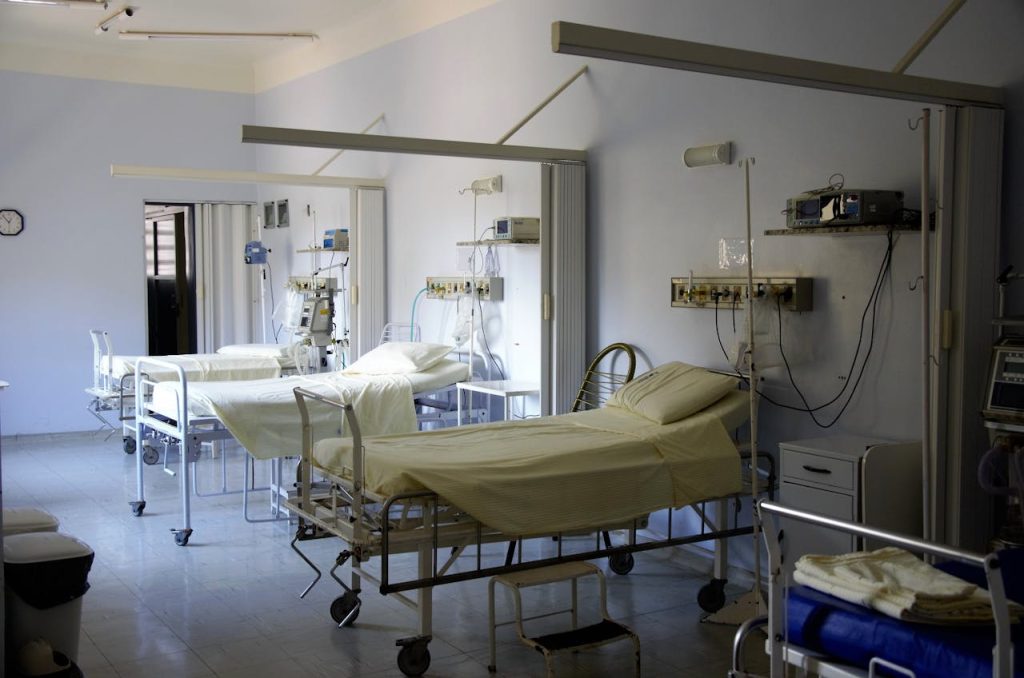
How Malasakit Centers Simplify Healthcare Access
Malasakit Centers bring a major change by using a one-stop shop model for healthcare. They group various services in one spot. This makes it easier for patients to get help without facing complex processes. Such a setup speeds up support and is built on care and convenience.
- One-stop Shop Model. Malasakit Centers aim to put financial and medical aid under one roof. This centralized approach makes it simpler to get help. The center launched at the Dr. George T. Hofer Medical Center in Ipil, Zamboanga Sibugay, shows how effective this model is. With 155 centers in the Philippines, over seven million patients have received support through this initiative.
- Centralized Agency Support. The Malasakit Center initiative is backed by the Malasakit Centers Act of 2019, pushed by Senator Christopher “Bong” Go. It combines support from the DOH, PhilHealth, DSWD, and PCSO. The Malasakit Center can give up to P50,000 from the Presidential Social Fund, after an agency review. This makes getting help faster and more efficient for patients.
- Speed-and-quality-service in Mind. Malasakit Centers focus on speeding up medical help. They serve around 100,000 patients a month. There are no fees for their services. This ensures help is available to everyone, regardless of income.
By making the process simpler and putting everything in one place, Malasakit Centers showcase how to deliver care effectively. Their goal is to make sure healthcare is accessible to all without financial stress.
| Region | Number of Centers | Patients Benefited |
|---|---|---|
| Luzon | 87 | 50% |
| Visayas | 29 | 20% |
| Mindanao | 34 | 30% |
List of Malasakit Centers Across the Philippine Archipelagos
Across the Philippines, there are now 163 Malasakit Centers (data is still growing as of writing). They are found in hospitals to help those in need easily find them. These centers make it simpler for poor Filipinos to get medical and financial help. They follow the Malasakit Centers Act (RA 11463).
These centers bring together services from the Department of Health, PhilHealth, PCSO, PAGCOR, and DSWD. This makes it easier to get help. It’s part of fulfilling the Universal Health Care law, aimed at providing care for all. You’ll find a comprehensive list of these centers by region below, including who to contact.
| Region | Number of Centers | Contact Information |
|---|---|---|
| Luzon | 91 |
|
| Visayas | 30 |
|
| Mindanao | 42 |
|
The directory includes regions like the Ilocos Region, Cagayan Valley, and Central Luzon. CALABARZON and MIMAROPA are also listed. Each place has its specific contact info. Malasakit Centers play a vital role in ensuring healthcare reaches everyone in the Philippines.
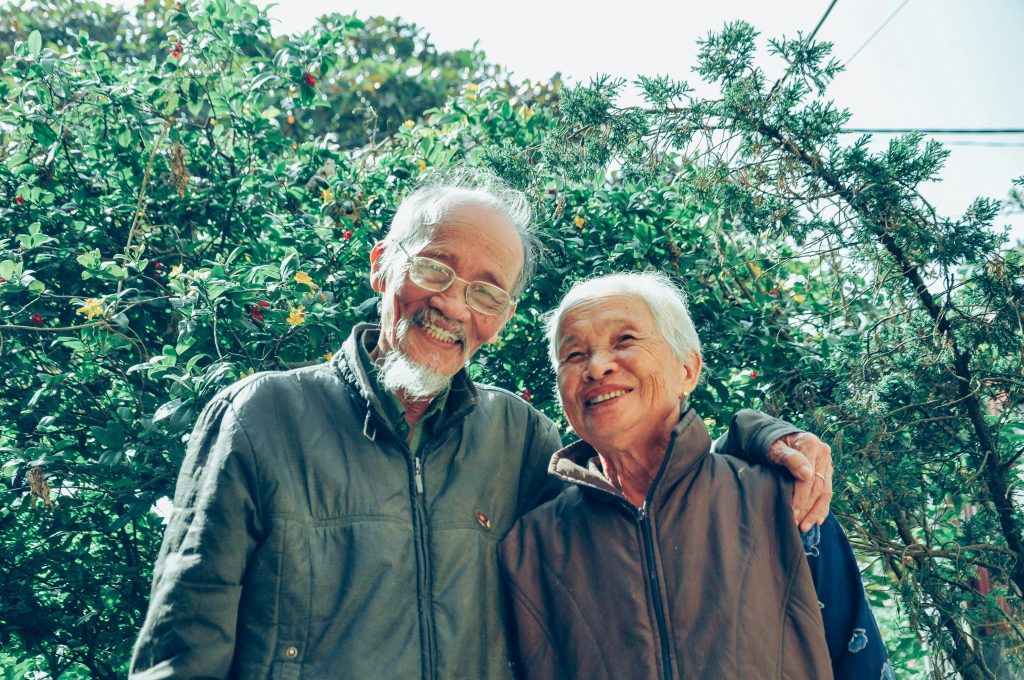
Success Stories from Malasakit Beneficiaries
Success stories from beneficiaries of the Malasakit Centers are truly moving. They show how much the initiative helps people. Cases like Yazumi Viray’s liver transplant in India showcase the big impact. The program has helped about ten million Filipinos. It has eased their healthcare costs significantly.
Jacob Roa’s story is another example of hope. He got P100,000 for his treatment from the Malasakit Center in Pasay City. This aid made a big difference for him.
The DSWD is keeping up its support for those in need. For instance, during a visit to Bicol Medical Center, Senator Go helped 824 patients and 2,702 frontliners. This included hospital staff and security guards. The initiative gets support from the Philippine Charity Sweepstakes Office and PhilHealth too. It offers financial help to a wide range of beneficiaries.
Malasakit Centers are proving to be invaluable for Filipinos. Efforts to spread the word, like the “Go Malasakit” show, are ongoing. Hosted by Assistant Secretary Jonji Gonzales and TV Inquirer host Chona Yu, it airs Thursdays from 6 to 7 p.m. The show is broadcast on Inquirer 990 Television and online. It helps inform more people about what the Malasakit Centers do.
These stories highlight the medical assistance initiative‘s big impact. The Malasakit Centers give much-needed support, building trust among Filipinos. They’re a key part of improving the country’s healthcare.
Common Challenges and How to Overcome Them
It’s important to know the hurdles in getting Malasakit aid. Many find the system hard to understand. This can lead to delays or being turned down.
Understanding the Process
The Malasakit Centers started in 2018 thanks to Senator Bong Go. They’ve helped around 10 million Filipinos. Yet, newcomers often get confused by the process. Learning the steps and what documents are needed beforehand helps a lot.
- Visit the nearest Malasakit Center, of which there are currently 159 operational across the Philippines.
- Speak with a social worker at the center to understand the specific requirements for your situation.
- Ensure that you have all necessary documents, such as medical abstracts and hospital bills.
Completing the Application
When applying for Malasakit help, details matter a lot.
Patria Joy Domingo got help for her daughter Eurice Joie. She shows that being thorough with your paperwork is key. This approach makes it easier to get aid.
Research shows that people rate application challenges at 4.11 out of 5. This means with the right help, it’s easier to handle. Working with social workers and having your documents in order can smooth things out.
Knowing these obstacles and preparing can boost your odds of getting help from Malasakit Centers. This can make facing these challenges much easier.

Updates and Changes to the Malasakit Program
The Malasakit Program is growing to help Filipinos better. Thanks to the “Malasakit Act of 2019,” it’s becoming more efficient. This law helps tweak guidelines to support the Medical Assistance for Indigent Patients (MAIP) Program.
The MAIP Program helps with the cost of drugs, medical devices, and dental services. It does not cover cosmetic procedures. The Department of Health (DOH) hospitals and UP-PGH now use a new system, the Enhanced Web-Based Public Assistance Information System (EWEBPAIS), to be more effective.
Updates make sure the Malasakit Program Office (MPO) and the Center for Health Development (CHDs) work well together. This teamwork helps get support to those who need it smoothly. It’s making healthcare support better all over the country.
- Implementation of EWEBPAIS at DOH and UP-PGH Hospitals
- Strict screening of beneficiaries to ensure efficient use of funds
- Liquidation of 50% of sub-allotted funds before subsequent releases
- MPO and CHDs establish linkages for effective coordination
Patients now get crucial financial help, especially when they have to pay a lot out-of-pocket. As of 2019, those costs were 53.9%. The new rules say medical help can’t be turned into cash. They want to make sure resources are used right. All hospitals getting aid have to list who they’ve helped on the DOH website.
The Malasakit Program is committed to getting better and making strategic updates. It aims to meet the immediate and long-term health needs of poor Filipinos.
Conclusion
The Malasakit Assistance program is a big step in changing healthcare in the Philippines. It shows the government’s effort to make health services easier to get and offer financial help to those who really need it. With 163 Malasakit Centers open by 2024, getting help has become easier, avoiding the usual slow paperwork.
This program unites important agencies like PhilHealth, the Philippine Charity Sweepstakes Office, and the Department of Social Welfare and Development. It creates a single place where patients can get the help they need quickly and easily. A high satisfaction score of 3.84 from 125 people shows it’s working well. It helps with paperwork and medical crises effectively.
Globally, many people spend a lot of their money on health care, pushing some into severe poverty. The Malasakit Assistance program offers hope. It makes sure no Filipino is left without help during medical needs. It takes cues from healthcare models like the UK’s and Singapore’s to keep getting better.
As Malasakit Centers grow, they highlight the nation’s commitment to caring health services. They bridge the gap for those in need, showing true kindness and making a real difference in their lives.
FAQ
What is Malasakit Assistance?
Malasakit Assistance is a healthcare support program in the Philippines. It helps indigent and financially incapacitated Filipinos. The program brings together services from PhilHealth, the Philippine Charity Sweepstakes Office, and the DSWD in hospitals.
How can I avail of Malasakit Assistance?
To get Malasakit assistance, go to a Malasakit Center in partner hospitals. You will need a Malasakit Unified Form, your hospital bills, and a medical abstract.
Who is eligible for Malasakit Assistance?
Filipino citizens who cannot afford medical costs can get Malasakit Assistance. It’s for those who need financial help for medical treatment.
What documents are required to apply for Malasakit Assistance?
You need to submit a Malasakit Unified Form, hospital bills, and a medical abstract. These help figure out how much support you need.
What types of support are provided by Malasakit Centers?
Malasakit Centers help with medical bills, provide insurance through PhilHealth, and offer financial help. This combination ensures people get the aid they need for healthcare costs.
How do Malasakit Centers simplify healthcare access?
Malasakit Centers make getting help simpler by bringing services to one place. This way, getting financial and medical aid is easier.
What role do social workers play in the application process for Malasakit Assistance?
Social workers guide patients, showing them how to apply and ensuring documents are right. Their help makes the process smoother and quicker.
Can you share any success stories from those who have benefited from the Malasakit program?
Many people have been thankful for Malasakit Centers. Their stories show how the program has helped them with their medical bills.
What are the common challenges applicants face, and how can they overcome them?
The biggest hurdle is often understanding the process and forms. Getting help from social workers and staying up-to-date with the process can help.
How has the Malasakit Assistance initiative evolved under the leadership of President Duterte and Bong Go?
Under President Duterte and Bong Go, the Malasakit Assistance grew. The Malasakit Center Act made these centers a key part of national healthcare.
How many Malasakit Centers are there across the Philippines?
There are Malasakit Centers in many partner hospitals across the country. This allows more people to access the program.
Where can I find updates and changes to the Malasakit program?
For the latest on the Malasakit program, check the official websites of involved agencies, and follow DSWD and the Office of the Special Assistant to the President.